
Where Cybersecurity Leaders Connect and Decide What’s Next

This is not a typical conference.
Next IT Security DACH is an exclusive gathering of cybersecurity decision-makers , designed for honest conversations, practical insights, and meaningful networking — free from vendor-driven presentations and unnecessary distractions.
Every conversation is intentional. Every connection is relevant.
This is where cybersecurity leaders meet to exchange insights that actually matter.
Event Location
Event Snapshot
Event Date
November 26, 2026
Duration
One-day executive event
Time
08:00 AM – 06:00 PM
Location
TBC, Frankfurt
Audience
CISOs, Heads of Security, IT Leaders
Attendance
Limited to 150 delegates
Join 150 Cybersecurity Leaders
Private, invitation-based event for CISOs and senior decision-makers.
- ✔ No vendors. No noise.
- ✔ Real discussions, real insights
- ✔ Closed-door executive environment
March Event Aftermovie
- Event Agenda
A Day Designed for
High-Value Interaction
A carefully curated program focused on real-world challenges, strategic discussions and meaningful networking.
Editor’s Note
Welcome to the Next IT Security – Stockholm Edition 2026, an exclusive gathering bringing together cybersecurity executives, innovators, and strategic decision-makers from across Europe.
National Resilience, Regulatory & Geopolitical Complexity
Organisations must expand cybersecurity beyond internal protection to address regulatory demands and geopolitical risks. This requires aligning enterprise security with compliance obligations and contributing to broader national resilience efforts.
Securing What Cannot Fail: OT, Critical Infrastructure & Supply Chains
As critical infrastructure becomes more connected, cyber risks now have physical and societal impacts. Securing OT environments and supply chains is essential to prevent disruptions that could affect entire sectors or populations.
AI Risk & Governance
The growing use of AI introduces new security and ethical risks. Organisations need robust governance frameworks to manage AI safely, ensuring accountability, reliability, and compliance while enabling innovation.
Talent & Skills Shortage
A lack of skilled professionals in cybersecurity and related fields is limiting organisational resilience. Addressing this requires long-term investment in talent development, retention, and sustainable workforce strategies.
- Registration
- The Grand Hôtel
- October 22, 2026
- 08:00 AM – 08:15 AM
- Roundtable Breakfast
- October 22, 2026
- 08:15 AM – 08:55 AM
- Firestarter
- October 22, 2026
- 08:55 AM – 09:00 AM
- Chapter One:
National Resilience, Regulatory & Geopolitical Complexity
- Opening Keynote
- October 22, 2026
- 09:00 AM – 09:25 AM
In today’s interconnected world, cybersecurity extends far beyond organizational boundaries. For INTERPOL, enabling secure collaboration across 196 member countries means protecting a global law-enforcement ecosystem that operates 24/7, processes billions of records, and supports millions of database queries each day.
This session explores how cybersecurity is approached in an environment defined by international cooperation, varying levels of security maturity, and highly sensitive data exchange. It highlights the challenges of securing globally connected systems where trust between agencies is critical to operational success.
The talk will present a strategic view of INTERPOL’s cybersecurity approach, built on three key pillars: governance and risk management, security operations, and the human layer. Particular focus will be placed on how cyber resilience is strengthened across different audiences, from internal personnel to National Central Bureaus (NCBs) and the wider public.
Attendees will gain insights into how security culture, governance, and collaboration contribute to resilience in complex, distributed environments, and how these lessons can be applied to enterprise organizations operating across borders and ecosystems.

Osama TAHA
Business Information Security Officer (BISO) | INTERPOL- Expert Panel
- October 22, 2026
- 09:25 AM – 10:00 AM
High-stakes incidents can impact markets, public trust, and critical services. Panelists discuss turning compliance obligations into strategic advantage, coordinating across sectors, and managing operational risks under geopolitical pressure.
- Transforming regulations into actionable strategies
Shows how organizations can convert compliance requirements into practical operations that protect enterprise and societal interests.
- Building trust and collaboration between public and private sectors
Highlights partnerships that enable effective threat intelligence sharing and coordinated response.
- Managing operational continuity under high-stakes events
Demonstrates crisis planning and real-time decision-making to maintain operations despite political or societal pressures.

Linda Avad
CISO | Alecta- Innovator Keynote
- October 22, 2026
- 10:00 AM – 10:20 AM
As organizations expand across borders and face increasingly complex regulations, security architectures must do more than protect systems—they must enable growth, ensure compliance, and remain resilient under geopolitical pressures. This session explores how to build frameworks that integrate security, compliance, and operational efficiency without compromising innovation.
- Achieving Visibility and Accountability Across Operations
In multinational environments, organizations need centralized monitoring and control to maintain oversight of diverse systems. Effective architectures provide clear accountability, enabling teams to detect, respond, and report on security events in real time.
- Embedding Compliance into Everyday Operations
Regulatory requirements can slow innovation if treated as an afterthought. By operationalizing compliance frameworks, organizations can integrate legal and policy obligations into daily workflows, ensuring adherence without disrupting productivity. - Maintaining Resilience Amid Geopolitical Complexity
Political and regulatory uncertainty can impact security effectiveness. Security architectures designed for resilience anticipate disruptions, adapt to changing conditions, and safeguard critical assets even in unstable environments.
- Coffee Break & 1-1 meetings
- October 22, 2026
- 10:20 AM – 10:50 AM
- Firestarter
- October 22, 2026
- 10:50 AM – 10:55 AM
- Chapter Two:
Securing What Cannot Fail: OT, Critical Infrastructure & Supply Chains
- Keynote Discussion
- October 22, 2026
- 10:55 AM – 11:20 AM
Critical infrastructure—from energy grids to healthcare systems—forms the backbone of modern society, and disruptions can have immediate, far-reaching consequences. This session delves into strategies for maintaining operational resilience, achieving comprehensive visibility, and ensuring supply chain integrity in environments where failure is not an option.
- Implementing Structured OT Monitoring and Alerting
Developing robust operational technology monitoring frameworks allows organizations to detect anomalies early, preventing small issues from escalating into major incidents that could disrupt critical services. - Strengthening Third-Party and Supply Chain Security
Protecting interconnected systems requires a proactive approach to supplier risk management. By assessing and securing third-party dependencies, organizations reduce vulnerabilities that could compromise the broader operational ecosystem. - Coordinating Crisis Response Across Interconnected Systems
Effective resilience depends on planning, simulating, and executing coordinated responses across multiple critical systems. Structured crisis management ensures rapid recovery and minimizes impact during incidents affecting essential services.
Dan Cristian Ungureanu
Lead of Cyber Exercises | NATO Cooperative Cyber Defence Centre of Excellence (CCDCOE)- Expert Panel
- October 22, 2026
- 11:20 AM – 11:55 AM
In an era where mission-critical infrastructure underpins society and the economy, defending these systems against cyber threats has never been more urgent. This panel brings together industry experts to share practical strategies for protecting operational environments, managing supply chain risks, and ensuring continuity in high-stakes situations.
- Operational Technology (OT) and supply chain visibility are essential for understanding and mitigating risks across complex systems. Panelists will discuss frameworks and tools that provide comprehensive monitoring and situational awareness, enabling organizations to act before small issues escalate into major disruptions.
- Managing supplier risks and coordinating operations across third-party networks is crucial to reducing vulnerabilities. Experts will explore techniques for assessing vendor security, strengthening collaboration, and maintaining continuity even when partners face threats or disruptions.
- Drawing on real-world critical infrastructure incidents, panelists will share lessons learned from previous breaches and failures. These insights provide actionable guidance for building resilient systems, improving incident response, and avoiding common pitfalls in high-risk operational environments.
Johan Thulin
Cybersäkerhetsstrateg | Sveriges Kommuner och Regioner- Innovator Keynote
- October 22, 2026
- 11:55 AM – 12:20 PM
In sectors where failure is not an option—such as energy, transportation, and industrial operations—resilience must be built into every system and process. This session explores how technology-driven platforms and frameworks can safeguard critical infrastructure while maintaining operational performance, ensuring organizations can anticipate, respond to, and recover from disruptions effectively.
- Leveraging real-time monitoring and predictive risk modeling
Advanced tools provide continuous visibility into systems and operations, enabling organizations to detect emerging threats and anticipate their potential impact on critical processes before they escalate. - Strengthening OT threat identification and mitigation
Specialized frameworks allow organizations to assess vulnerabilities in Operational Technology, implement preventive controls, and reduce the risk of disruptions in industrial and operational environments. - Implementing supply chain assurance frameworks
Structured approaches enhance oversight of complex supplier networks, ensuring transparency, operational continuity, and the ability to respond quickly to disruptions across interconnected ecosystems.
- Lunch Break
- October 22, 2026
- 12:20 PM – 1:20 PM
- Chapter Three:
AI Risk & Governance
- Best practise Keynote
- October 22, 2026
- 1:20 PM – 1:45 PM
As artificial intelligence moves from experimental projects to mission-critical operations, organizations must establish robust frameworks to manage risk, ensure reliability, and maintain trust. This session examines how to govern AI responsibly while embedding controls that safeguard both operational performance and organizational reputation.
- Implementing Risk Classification, Model Validation, and Monitoring
Organizations need structured processes to assess AI systems, validate their outputs, and continuously monitor performance. This ensures models behave as expected, enabling informed decision-making and reducing operational surprises. - Preventing Bias, Data Poisoning, and Uncontrolled Automation
AI systems can introduce unintended risks, including biased decisions, malicious data manipulation, or runaway automation. Proactive safeguards help prevent errors that could disrupt operations or damage stakeholder trust. - Aligning AI Initiatives with Operational and Regulatory Requirements
Effective AI deployment requires compliance with legal frameworks, industry standards, and internal policies. Aligning initiatives with these requirements ensures responsible adoption while supporting strategic business objectives.
- Expert Panel
- October 22, 2026
- 1:45 PM – 2:20 PM
As cyber threats grow faster and more sophisticated, organizations are turning to AI not just as a tool, but as a strategic defender. This panel explores how artificial intelligence can enhance security, improve operational efficiency, and maintain ethical and regulatory compliance, all while keeping human judgment at the center of decision-making.
- AI can dramatically improve threat detection and response, acting as a force multiplier to identify and mitigate attacks faster than human-only processes. This accelerates response times and reduces the window of exposure to cyber incidents.
- Automation must be carefully balanced with human oversight and operational priorities. By combining AI efficiency with expert judgment, organizations can avoid unintended outcomes and ensure security actions align with business and safety objectives.
- As AI adoption expands, regulatory and ethical considerations become increasingly critical. Preparing for evolving legal frameworks and societal expectations helps organizations deploy AI responsibly while minimizing risk and maintaining trust.
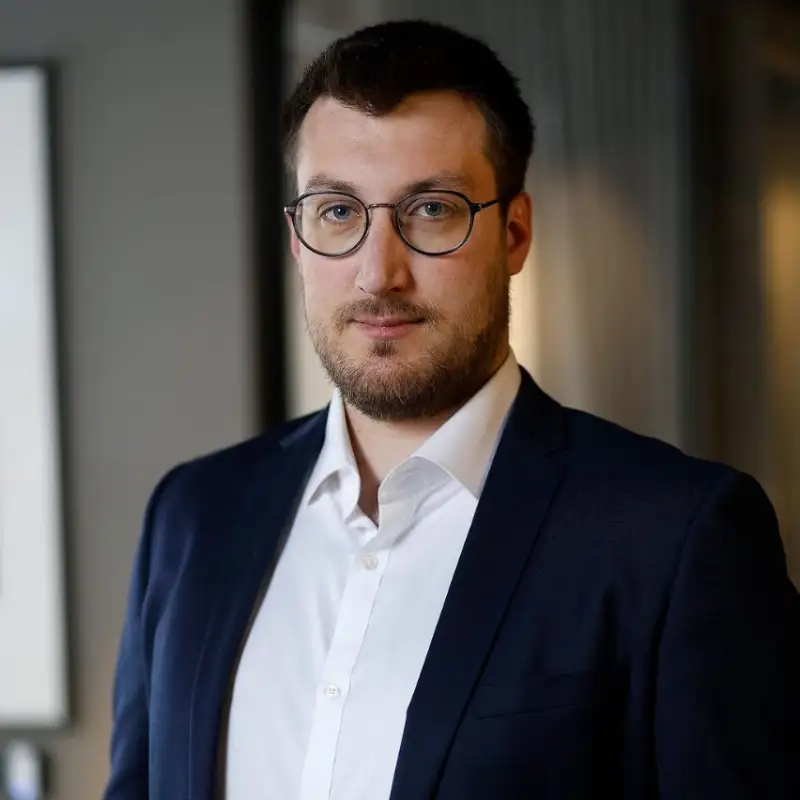
Gabriele Dauriz
Security Product Manager | TRATON Financial Services
Ricardo Bergvall
Chief Information Security Officer | Travel Clearings- Innovator Keynote
- October 22, 2026
- 2:20 PM – 2:45 PM
As AI becomes deeply integrated into enterprise operations, securing these systems while preserving efficiency is critical. This session explores strategies to build trustworthy AI that organizations can rely on, even in complex and highly regulated environments.
- Ensuring transparency, accountability, and auditability is essential for maintaining confidence in AI-driven decisions. By making AI operations understandable and verifiable, organizations can foster trust among stakeholders and users alike.
- Implementing robust governance across enterprise AI provides a structured approach to policies, controls, and continuous monitoring. This framework ensures AI systems operate consistently, safely, and in alignment with organizational objectives.
- Mitigating operational and reputational risks protects organizations from AI failures, unintended consequences, or bias. Proactive risk management safeguards both the enterprise and its stakeholders, preserving credibility and long-term value.
- Coffee Break
- October 22, 2026
- 2:45 PM – 3:15 PM
- Chapter Four:
Talent & Skills Shortage
- Innovator Keynote
- October 22, 2026
- 3:15 PM – 3:40 PM
Talent shortages in cybersecurity, AI, OT, and compliance are limiting organizational resilience. This session explores workforce strategies to upskill employees, prevent burnout, and maintain operational effectiveness.
- Succession planning, cross-training, and workforce development
Ensures continuity of expertise and critical skills.
- Retention strategies and preventing burnout
Maintains high-performing teams without overloading staff.
- Building a culture that attracts and sustains top talent
Enhances employer value and employee motivation
- Innovator Fireside Chat
- October 22, 2026
- 3:40 PM – 4:00 PM
With increasing operational complexity, organizations can no longer rely solely on technical defenses. Workforce sustainability, cross-training, and knowledge transfer are critical to maintaining resilience. This session examines how modern frameworks and programs empower teams to operate effectively while mitigating risks associated with talent shortages.
- Round Table Discussions
- October 22, 2026
- 4:00 PM – 4:50 PM
- Building cross-functional skillsets to fill critical gaps
- Succession planning and knowledge transfer strategies
Each topic will be discussed at dedicated roundtables, allowing participants to exchange experiences and explore practical strategies for improving resilience across operational environments.
- Short walk to Networking Dinner Cruise
- October 22, 2026
- 4:50 PM – 5:00 PM
- Fireside Panel
- October 22, 2026
- 5:00 PM – 5:25 PM
Red Team Perspective: Identifying AI Vulnerabilities
How offensive teams simulate real-world attacks on AI systems to uncover weaknesses, adversarial risks, and bias. The discussion highlights methods for probing operational and enterprise AI while staying aligned with ethical and regulatory boundaries.
Blue Team Perspective: Defending AI Operations
How defensive teams implement monitoring, incident response, and protective controls to ensure AI systems remain reliable and secure. The focus is on maintaining operational continuity, preventing misuse, and preserving stakeholder trust in automated decisions.
Purple Team Perspective: Integrating Offensive and Defensive Insights
How collaboration between red and blue teams strengthens AI governance, risk management, and resilience. The panel explores frameworks for continuous learning, cross-team feedback loops, and adaptive controls that enhance the security posture of AI at scale.
- Closing Keynote
- October 22, 2026
- 5:25 PM – 5:45 PM
In a rapidly evolving business and regulatory landscape, organizational resilience depends as much on people and skills as on technology and processes. This session examines how organizations can future-proof themselves by integrating workforce strategies with operational priorities, compliance requirements, and technological innovation to sustain performance and adaptability over the long term.
- Strengthening Critical Skills and Talent Pipelines
Ensuring long-term resilience requires identifying key roles, cultivating specialized skills, and developing robust talent pipelines. Organizations that invest in continuous learning and skill retention are better equipped to respond to disruption and maintain operational continuity.
- Preventing Burnout and Supporting Workforce Well-Being
High-pressure environments and rapid digital transformation can strain employees, increasing turnover and reducing effectiveness. Strategies for workload management, mental health support, and flexible work structures help maintain engagement and sustain organizational capacity. - Aligning People Strategies with Operational and Regulatory Priorities
Resilient organizations integrate workforce planning with technology adoption, compliance obligations, and operational goals. This ensures that teams are equipped, compliant, and prepared to deliver mission-critical outcomes even in dynamic or high-risk environments.
- Book signing
- October 22, 2026
- 5:45 PM – 6:00 PM
- Networking Dinner Cruise
- October 22, 2026
- 6:00 PM -
- Partners & Industry Leaders
Trusted by Cybersecurity Leaders
Our partners don’t just attend — they lead the conversation.



Limited partner slots available
Upcoming
Exclusive Cybersecurity Events forC-Level Leaders
Exclusive access to industry leaders, actionable insights, and high-value executive networking.
East Central
- Belgrade, Serbia
- Sava Centar
- September 29-30, 2026
- 08:00 AM – 06:00 PM
Pan-European Cybersecurity Leadership Event
Join us for the most elite pan-European cybersecurity event, bringing together top experts from across the continent. This exclusive experience offers a unique opportunity to engage in real-time decision-making and connect with leading cyber professionals. Our community is our strength. Our C-Suites are our strength.
Limited seats available
Cyber Minds
- Belgrade, Serbia
- TBC
- September 30, 2026
- 09:00 AM – 06:00 PM
Exclusive C-Level Community - The Power Of 50
The Power of 50 Council has cemented itself as the most exclusive event for top C-Level executives within the cyber security community, with an invite list built from companies in the Next Top Ciso Power rankings announced each year.
Limited seats available
Nordics Edition
- Stockholm, Sweden
- Grand Hotel
- October 22, 2026
- 08:00 AM – 06:00 PM
Private Cybersecurity Leadership Gathering
Join us for the exclusive Cybersecurity Event at the Stockholm Congress Center. This exclusive event offers a unique opportunity to network with C-suite Power Players, whilst enjoying fine dining and entertainment in a spectacular setting. Our C-Suites are our strength.
Limited seats available
Benelux Edition
- Amsterdam, Netherlands
- TBC
- November 12, 2026
- 08:00 AM – 06:00 PM
Executive Cybersecurity Networking Experience
Join us for the exclusive Cybersecurity Event at the Koepelkerk Amsterdam. After a scenic cruise, network during a delightful dinner at the stunning LuminAir. Our C-Suites are our strength.
Limited seats available
DACH Edition
- Frankfurt, Germany
- TBC
- November 26, 2026
- 08:00 AM – 06:00 PM
C-Level Cybersecurity Strategy Gathering
Join us at an exclusive cybersecurity event in Frankfurt. After a scenic cruise, network during a delightful dinner. Our C-Suites are our strength.
Limited seats available